




Understanding Mixer Settler Fundamentals
What is a Mixer Settler and How Does It Work?
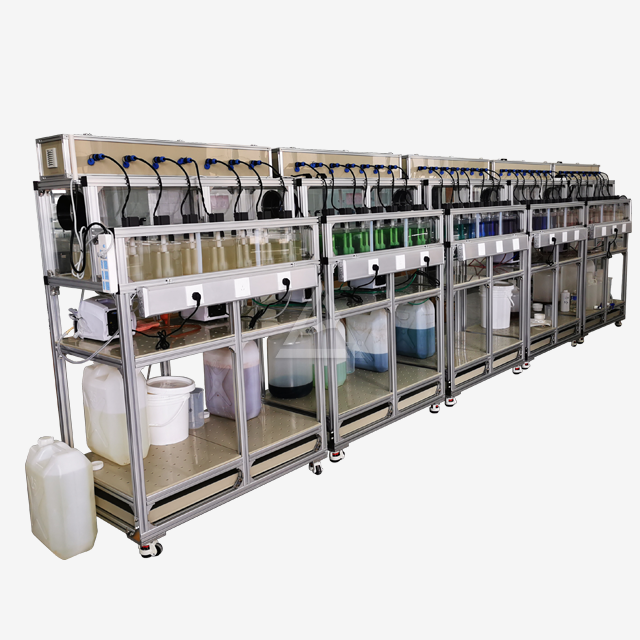
A mixer settler is a crucial piece of equipment in various industrial processes, particularly in liquid-liquid extraction and separation. This device consists of two main components: a mixing chamber and a settling chamber. In the mixing stage, two immiscible liquids are vigorously blended to facilitate mass transfer between the phases. This is typically achieved using an agitator that creates turbulence, ensuring thorough contact between the liquids.
Following the mixing stage, the combined liquids flow into the settling chamber. Here, gravity takes over, allowing the two phases to separate based on their density differences. The heavier phase settles to the bottom, while the lighter phase rises to the top. Adjustable weirs help control the interface between these phases, ensuring clean separation.
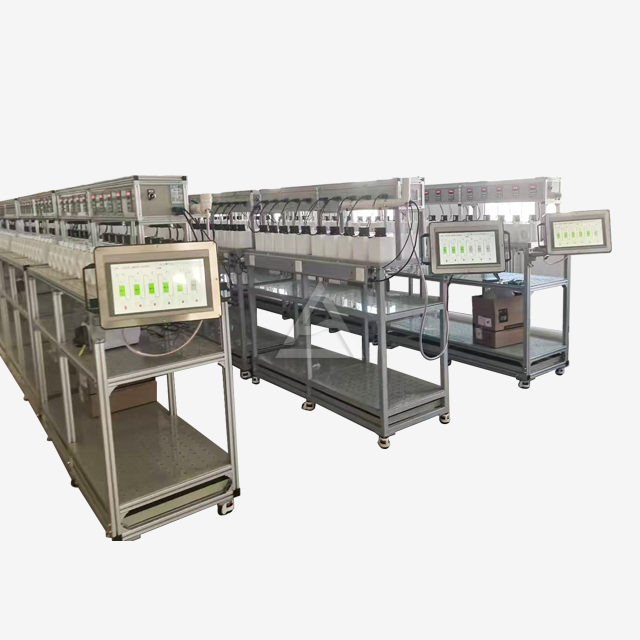
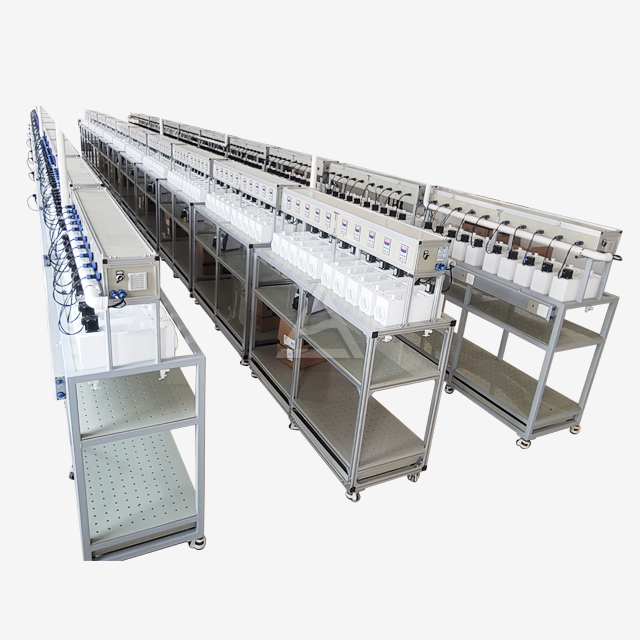
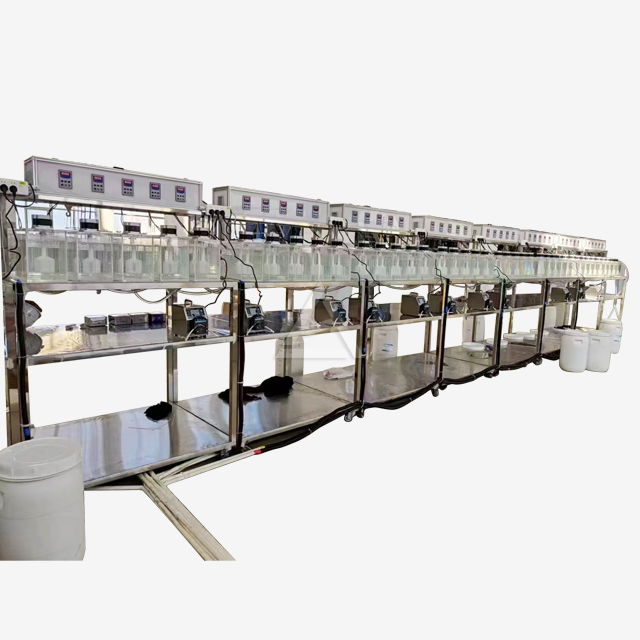
The beauty of mixer settlers lies in their modular design. Multiple units can be connected in series, allowing for multi-stage extraction processes that significantly enhance overall efficiency and product purity. This scalability makes mixer settlers adaptable to a wide range of applications and production volumes.
Key Components and Their Functions
Understanding the core components of a mixer settler is essential for making an informed purchase decision:
- Mixing Chamber: This is where the initial contact between phases occurs. The chamber's design, including baffles and impeller configuration, affects mixing efficiency.
- Agitator: Responsible for creating turbulence, the agitator's speed and design are crucial for optimal mass transfer.
- Settling Chamber: Also known as the clarifier, this section allows for phase separation. Its dimensions and internal structure influence separation quality.
- Weirs and Baffles: These adjustable components help control flow patterns and phase interfaces, critical for maintaining separation efficiency.
- Inlet/Outlet Ports: Properly designed ports ensure smooth flow between stages and prevent unwanted mixing during transfer.
Additional features like temperature control jackets, pH sensors, and level indicators can further enhance process control and efficiency.
Materials of Construction and Their Importance
The choice of materials for your mixer settler can significantly impact its performance, longevity, and suitability for specific applications. Common materials include:
- Polypropylene (PP) and PPH: Offer good chemical resistance and are suitable for many aqueous and organic solutions.
- PVC and Transparent PVC: Provide excellent visibility for process monitoring and are resistant to many chemicals.
- PMMA (Acrylic): Offers superior transparency, ideal for research and educational applications.
- PTFE and PEEK: High-performance plastics with exceptional chemical resistance, suitable for aggressive environments.
- Stainless Steel (SUS) and Titanium: Offer superior strength and are suitable for high-temperature or high-pressure applications.
The choice of material depends on factors such as chemical compatibility, operating temperature, pressure requirements, and the need for visual inspection. For instance, PTFE might be preferred for highly corrosive environments, while transparent PVC could be ideal for processes requiring visual monitoring.

Assessing Your Application Requirements
Identifying Your Extraction or Separation Needs
Before selecting a mixer settler, it's crucial to have a clear understanding of your specific extraction or separation requirements. This involves analyzing several key factors:
- Process Type: Are you dealing with rare earth extraction, battery recycling, nuclear material separation, or wastewater treatment? Each application has unique demands.
- Scale of Operation: Consider your required throughput. Do you need a lab-scale unit for research or a large industrial setup for continuous production?
- Extraction Efficiency: Determine the level of separation or purification your process demands. Some applications may require multiple stages for high purity.
- Chemical Environment: Assess the pH range, temperature, and chemical composition of your process fluids. This information is vital for material selection and equipment design.
For instance, if you're involved in lithium battery recycling, you'll need a system capable of handling acidic solutions and potentially corrosive materials. On the other hand, biological wastewater treatment might require gentler mixing to preserve microbial populations.
Determining Required Capacity and Flow Rates
Accurate sizing of your mixer settler is crucial for optimal performance and cost-effectiveness. Consider the following:
- Volume Requirements: Assess your mixing volume needs. Plansee offers options ranging from 200ml to 3L, with custom sizes available for specific requirements.
- Flow Rates: Calculate the desired throughput for your continuous process. This will influence the size of mixing and settling chambers, as well as the number of stages required.
- Residence Time: Consider the time needed for effective mixing and separation. This affects the overall size of the unit and the number of stages required.
- Scalability: Think about future needs. Modular designs allow for easy expansion, but it's often more cost-effective to plan for growth upfront.
Remember, undersizing can lead to inefficient separation, while oversizing results in unnecessary capital expenditure and potentially reduced performance due to improper mixing dynamics.
Evaluating Operating Conditions and Constraints
Your operating environment and process constraints play a significant role in mixer settler selection:
- Temperature Range: If your process involves high temperatures or significant temperature fluctuations, you may need units with integrated temperature control or water-bath jacket devices.
- Pressure Requirements: Most mixer settlers operate at atmospheric pressure, but some applications may require pressurized systems.
- Viscosity and Density Differences: The physical properties of your liquids affect mixing and separation dynamics. Highly viscous fluids or small density differences between phases may require specialized designs.
- Corrosion Resistance: Consider the long-term effects of your process chemicals on equipment materials. Highly corrosive environments might necessitate the use of specialized materials like PTFE or titanium.
- Space Constraints: Evaluate the available floor space in your facility. Vertical configurations can save space but may have height limitations.
By thoroughly evaluating these factors, you can narrow down your options and identify a mixer settler configuration that aligns perfectly with your process requirements and operational constraints.

Balancing Budget and Features
Cost Considerations: Initial Investment vs. Long-term Value
When selecting a mixer settler, it's crucial to look beyond the initial price tag and consider the total cost of ownership. Here are key factors to weigh:
- Capital Expenditure: The upfront cost varies significantly based on size, materials, and features. While budget-friendly options might seem attractive, they may not always offer the best long-term value.
- Operational Costs: Consider energy efficiency, maintenance requirements, and consumable parts. More efficient designs might have higher upfront costs but lower running expenses.
- Lifespan and Durability: Higher-quality materials and construction can extend equipment life, reducing replacement frequency and associated costs.
- Scalability: Modular designs allow for future expansion, potentially saving money compared to replacing entire systems as your needs grow.
- Downtime and Maintenance: Easy-to-maintain designs can reduce operational interruptions and associated costs.
For example, investing in a corrosion-resistant PTFE mixer settler for aggressive chemical environments might have a higher initial cost but could save significantly on maintenance and replacement costs over time.
Essential Features vs. Nice-to-Have Additions
Mixer settlers come with a range of features, and distinguishing between essentials and luxuries is key to optimizing your investment:
Essential Features:
- Appropriate material compatibility for your process chemicals
- Sufficient mixing volume and settling capacity
- Adjustable agitator speed for process optimization
- Leak-proof design to ensure safety and prevent contamination
Value-Adding Features:
- Temperature control devices for processes sensitive to thermal variations
- pH adjustment capabilities for applications requiring precise acidity control
- Automated interface height adjustment for optimized phase separation
- Integrated sensors for real-time monitoring of critical parameters
Nice-to-Have Additions:
- Advanced analytics and data logging capabilities
- Remote operation and monitoring features
- Custom aesthetics or branding elements
Prioritize features that directly impact your process efficiency and product quality. For instance, if temperature fluctuations significantly affect your extraction rates, investing in a temperature control device could be crucial rather than just nice to have.
Comparing Different Configurations and Their Price Points
Mixer settler configurations vary widely, each with its own price point and set of advantages:
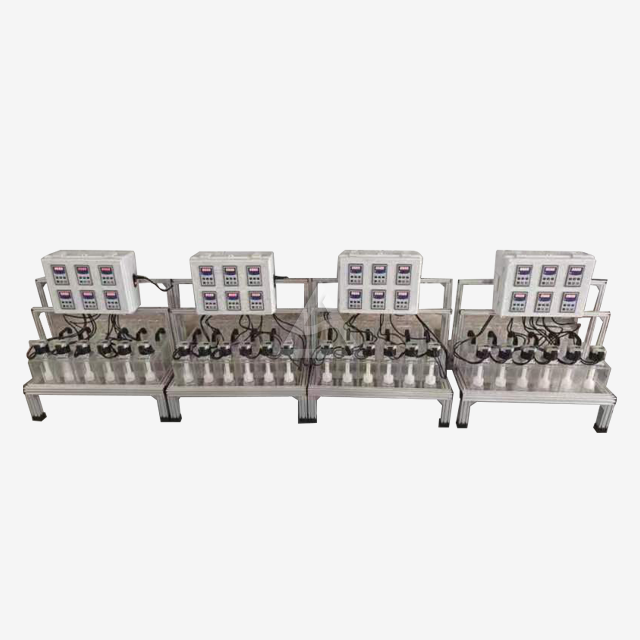
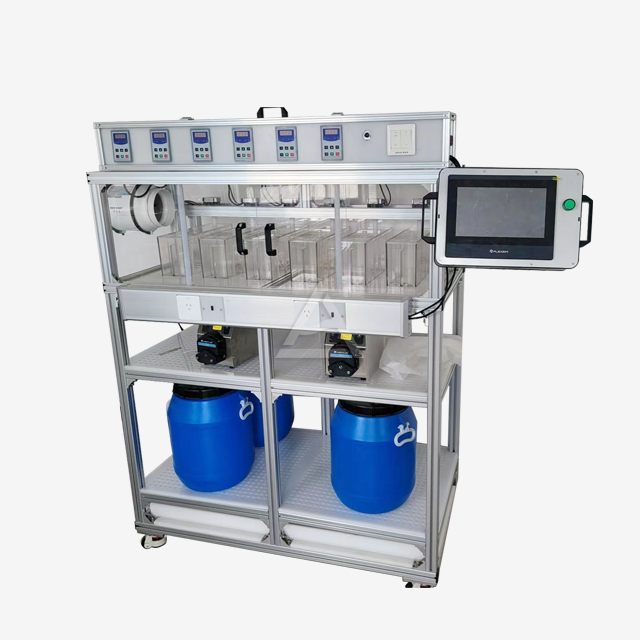
- Desktop Base Edition: Ideal for laboratory use or small-scale operations. These are typically the most budget-friendly options but may have limited capacity and fewer advanced features.
- Mobile Standard Edition: Offers a balance of functionality and portability. Suitable for pilot plants or facilities requiring flexible setup. Pricing is moderate, reflecting increased versatility.
- Environmentally Friendly High Edition: Top-tier configuration with advanced features like energy-efficient designs, superior materials, and comprehensive monitoring capabilities. While more expensive, these units often provide the best long-term value for demanding applications.
When comparing configurations, consider:
- Capacity vs. Cost: Larger volumes generally come at a premium. Ensure you're not overpaying for capacity you don't need.
- Material Quality: Higher-grade materials like PTFE or titanium increase costs but may be necessary for certain applications.
- Automation Level: Fully automated systems with PLC integration are pricier but can significantly reduce labor costs and improve consistency.
- Customization: Tailored solutions to meet specific needs may incur additional costs but can provide unmatched process optimization.
Remember, the goal is to find the sweet spot where features, quality, and price align with your specific needs and budget constraints. Sometimes, investing in a higher-tier model can lead to substantial savings in operational costs and improved process outcomes over the equipment's lifetime.

Conclusion
Choosing the right mixer settler involves a careful balance of understanding your process requirements, evaluating different configurations, and aligning features with your budget. By thoroughly assessing factors such as material compatibility, capacity needs, and long-term operational costs, you can make an informed decision that optimizes your extraction or separation process. Remember, the initial investment should be weighed against long-term value and efficiency gains. With the right mixer settler, you can enhance your production capabilities, improve product quality, and potentially reduce operational costs in the long run.
Contact Us
Ready to elevate your extraction process with a tailored mixer settler solution? Cuiyan Technology offers cutting-edge designs that combine efficiency, durability, and customization. Our expert team is ready to help you find the perfect match for your unique requirements. Experience the benefits of superior extraction technology - contact us today at wangzhijun@cuiyan-tec.com to discuss your needs and discover how we can optimize your processes.