



Extraction equipment continues to evolve rapidly, playing a pivotal role in industries such as pharmaceuticals, food and beverage, cosmetics, and chemical processing. The best systems in 2025 offer refined precision, high purity, and compliance with strict GMP standards, addressing the unique needs of botanicals, essential oils, and specialty chemicals. Advanced liquid extraction systems now integrate sophisticated controls for temperature, pH, and phase separation, boasting high extraction rates and energy-saving designs. This guide explores the latest configurations, materials, and applications, helping professionals choose solutions perfectly aligned with their process demands.

Understanding Modern Extraction Equipment: Configurations and Innovations
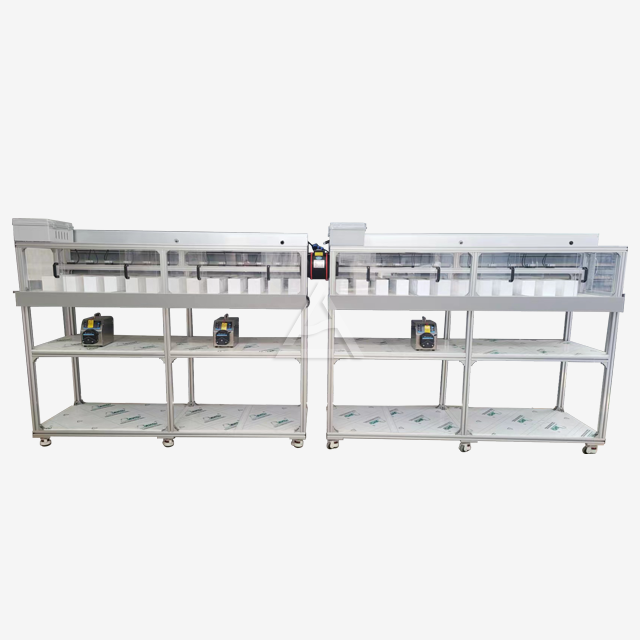
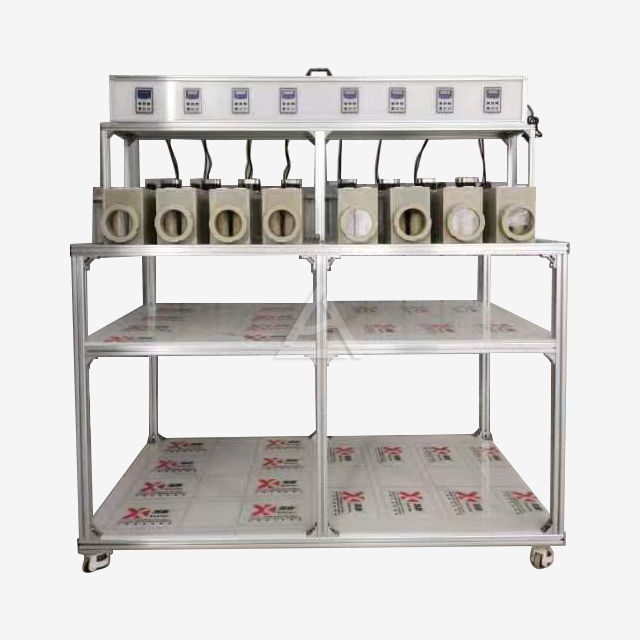
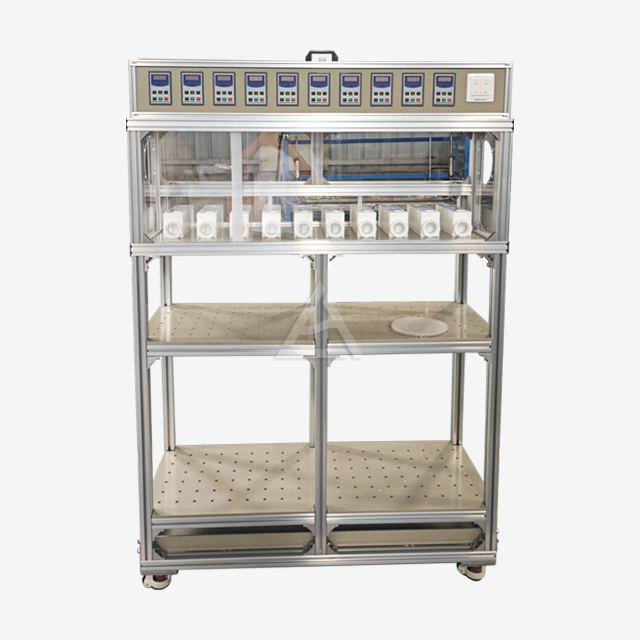
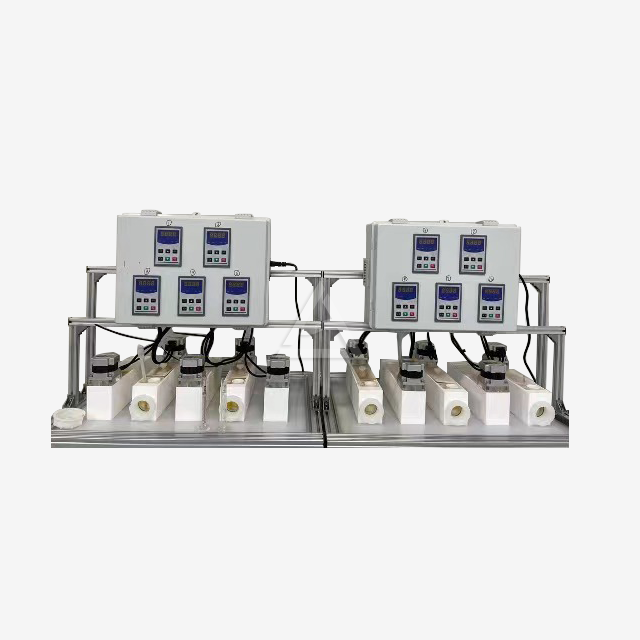
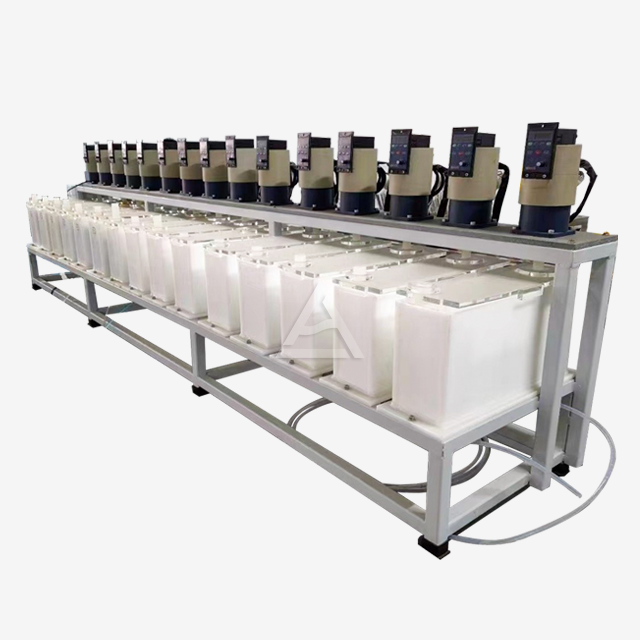
Today’s extraction technology offers three primary configurations tailored to diverse user needs: the desktop base edition for laboratory and pilot-scale work, a mobile standard edition suited to dynamic production environments, and an environmentally friendly high edition designed for maximum efficiency and sustainability. These systems come in versatile mixing volumes, ranging from 200ml to 3 liters—or custom sizes—to accommodate varying batch capacities. Such flexibility meets the precise demands of R&D scientists and plant managers alike, ensuring scalable and reproducible outcomes.
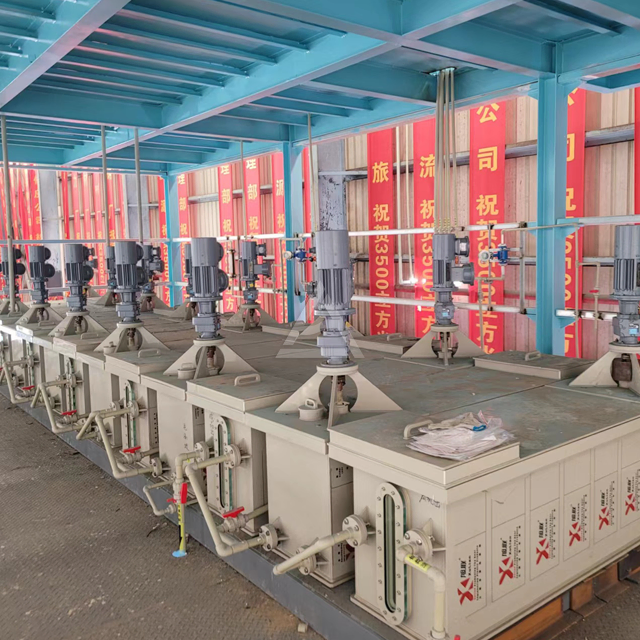
In terms of construction, cutting-edge extraction units incorporate materials like polypropylene (PP), PVDF, PTFE, titanium, and stainless steel (SUS), selected based on chemical compatibility and durability. Plate thickness options, from 5 to 10mm, contribute to the strength and thermal performance of the device. This customization promotes optimized separation efficiency, a critical factor when working with sensitive botanical extracts or solvent recovery in industrial processing.

Key Features Enhancing Efficiency and Reliability
Extraction equipment in 2025 integrates advanced features designed to maximize efficiency. Temperature control devices maintain optimal thermal conditions, preserving the integrity of bioactive compounds in fragile herbal extracts or flavor compounds in food-grade operations. pH adjustment mechanisms allow precise control over the chemical environment, essential for tailoring solvent miscibility and maximizing yield.
Devices with water-bath jackets enhance heat transfer uniformity, while anti-overflow tanks prevent spillage during continuous extraction runs. Observation windows enable operators to monitor phase separation visually, ensuring precise control without interrupting the process. Adjustable settings—such as agitator speed, mixer-settler stage amounts, and phase interface heights—grant unparalleled flexibility, accommodating variations in feedstock and process parameters.

Materials and Manufacturing: Balancing Durability and Compliance
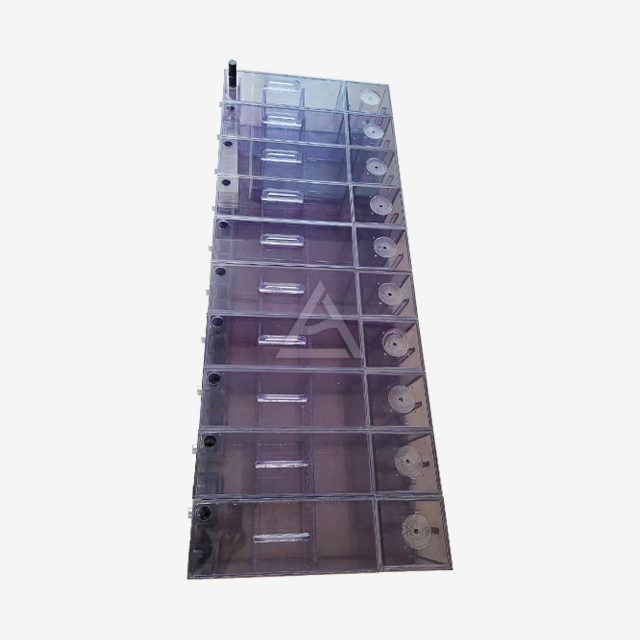
Selecting appropriate materials is critical for reliable extraction operations. Components crafted from FDA-approved polymers like PP and PVC ensure compliance with food and pharmaceutical safety standards. Transparent PVC or polymethyl methacrylate (PMMA) parts allow operators to view extraction progress clearly. For challenging chemical environments, PTFE and polyether ether ketone (PEEK) resist aggressive solvents, corrosion, and mechanical wear.
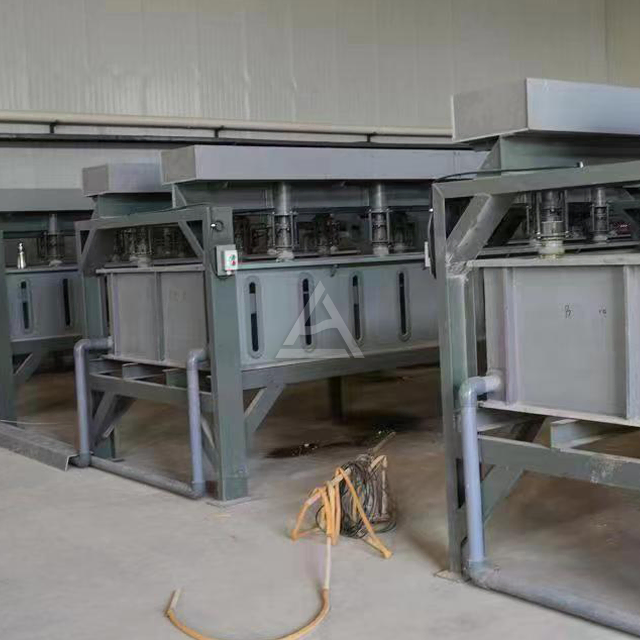
Production methods such as welding, bonding, bending, injection molding, and integral forming guarantee leak-proof seals and structural integrity for extraction equipment. These techniques prevent contamination risks and minimize downtime due to maintenance, especially important in GMP-regulated pharmaceutical manufacturing environments. The meticulous design coupled with robust construction supports continuous, high-throughput operations.

Application Spectrum: From Rare Earth Metals to Botanical Extracts
Modern extraction systems serve a broad range of industries. In the pharmaceutical and nutraceutical fields, they isolate pure botanical compounds essential for drug formulation and dietary supplements. The food and beverage sector relies on these devices to preserve delicate flavors and natural pigments, maintaining food-grade safety with gentle CO2 extraction or solvent methods.
Cosmetic producers benefit from gentle extraction techniques that keep bioactive ingredients intact for skincare and perfumery products. Chemical and industrial processors utilize these systems for extracting rare earth elements, recovering nickel, cobalt, or lithium in battery recycling, and treating complex metal-containing waste streams. The adaptability of these extraction units to handle diverse feedstocks showcases their versatility and robustness.

Why Shaanxi Cuiyan Technology Co., Ltd Stands Out in Extraction Equipment Manufacturing?
Shaanxi Cuiyan Technology Co., Ltd has delivered more than a decade of proven expertise since 2012, focusing on advanced liquid extraction equipment for lab-scale to industrial needs. Their solutions emphasize automation integration, modular design, and patented technologies, enabling clients to improve efficiency while lowering operational costs.
Their 37-strong expert team ensures every piece of equipment can be customized for unique requirements, including mixing volumes, materials, and control functions. Over 300 global customers attest to their dependable performance and client-focused service. With extensive experience in hydrometallurgical production line design and environmentally sound waste treatment, Shaanxi Cuiyan technology offers not only extraction devices but comprehensive process solutions.

How Advanced Liquid Extraction Equipment Operates for Optimal Results?
Extraction systems combine mechanical mixing and gravitational settling to separate target compounds efficiently. Agitators blend immiscible liquids to facilitate compound transfer, while settler compartments allow phases to separate clearly by density differences. Adjustable weirs control the liquid interfaces, enabling precise collection of purified extracts.
Features such as anti-bubbling technology stabilize phase separation, reducing emulsions and ensuring consistent output quality. Real-time monitoring of pH, temperature, and liquid levels supports process optimization and rapid troubleshooting. This approach reduces extract loss and supports scalability from R&D through industrial production.

Conclusion
Extraction equipment in 2025 embodies versatility, precision, and sustainability to meet diverse industrial demands. Whether refining botanical extracts for pharmaceuticals or recovering critical metals in battery recycling, choosing well-designed, customizable systems is crucial. Shaanxi Cuiyan Technology Co., Ltd rises to the challenge with over a decade of industry experience, advanced manufacturing techniques, and client-centered service. By integrating modern features and durable materials, they help businesses achieve superior extraction performance while adhering to strict regulatory standards. Engaging with the right equipment supplier today empowers companies to stay ahead of evolving market requirements and achieve efficient, high-purity extraction processes.
Where to Buy Extraction Equipment?
When seeking reliable extraction equipment tailored to your precise process needs, Shaanxi Cuiyan Technology Co., Ltd offers unmatched expertise and product quality. Their portfolio includes desktop base, mobile standard, and environmentally friendly high editions capable of handling volumes from small lab samples to industrial scales. Whether your focus is GMP-compliant botanical extraction or robust industrial solvent recovery, you can explore customized solutions by contacting their specialist team. Reach out and consult with professionals dedicated to optimizing your extraction processes by contacting us at wangzhijun@cuiyan-tec.com.
References
Singh, A., & Patel, R. (2023). Advances in Liquid-Liquid Extraction Techniques for Botanical Applications. Journal of Separation Science.
Chen, L., et al. (2022). Material Selection and Design Considerations for Pharmaceutical Extraction Equipment. International Journal of Pharmaceutics.
Kumar, S. (2024). Energy-efficient Extraction Systems in Food and Beverage Manufacturing. Food Process Engineering Review.
Garcia, M., & Zhou, Y. (2023). Extraction Technology Trends in Battery Recycling and Rare Earth Recovery. Sustainable Chemistry and Engineering.
Williams, J., et al. (2021). Integrating Real-Time Monitoring in Liquid Extraction Processes. Journal of Industrial Automation.
Lee, H., & Park, S. (2023). Impact of Extraction Equipment Configurations on Cosmetic Ingredient Purity. Cosmetics Technology Journal.